- Home
-
-
-+
-
-
-+
-
-
-+
-
-
-+
-
-
-+
-
-
-+
 简体中文
简体中文 English




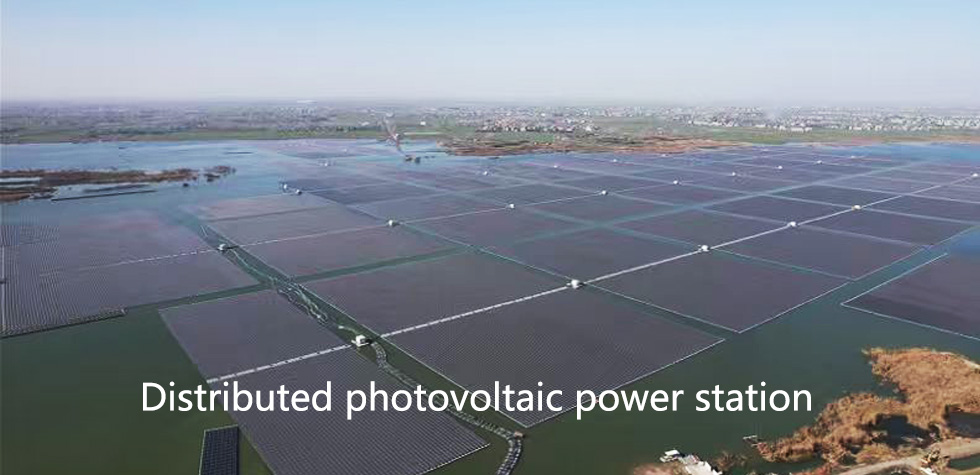
Fish-Solar Complementarity, Multi-Energy Complementarity
China's First Guiding Opinions on Offshore PV Project Management Released
Recently, China's first guidance on the three-dimensional use of sea areas for photovoltaic power generation — Guiding Opinions on Promoting the Three-Dimensional Use Management of Sea Areas for Photovoltaic Power Generation issued by the Shandong Provincial Department of Ocean Affairs — has been released.
The Opinions stipulate that:For pile-fixed offshore photovoltaic power generation projects, the sea area use type for piles and PV arrays shall be permeable structure sea use, with the sea area scope defined as a 10-meter extension outward from the vertical projection of the outermost PV panels of the project.Where the outer edge of the vertical projection of the PV array is less than 10 meters away from the nearest dyke of enclosed mariculture or salt fields, the boundary shall be the inner toe line of the dyke.For submarine cables in the project, the sea area use type shall be submarine cable and pipeline sea use, with the scope defined as a 10-meter extension to both sides from the outer edge of the submarine cables.
In principle, PV arrays shall be arranged in a centralized manner with integrated right confirmation. Decentralized confirmation by individual sea lots based on single arrays or panels is not allowed.Only when the project has to arrange PV arrays in separate zones to avoid navigation channels, tidal passages or other sea use projects may separate right confirmation be conducted according to the actual distribution.
Previously, Shandong Province issued the Offshore Photovoltaic Construction Project Action Plan, aiming to build two 10-GW-level offshore PV bases — Bohai Rim and Yellow Sea Coastal.
Bohai Rim 10-GW Offshore PV Base
31 offshore PV sites planned, with a total installed capacity of 19.3 GW:
20 dedicated PV sites: 14.1 GW
11 wind-solar hybrid sites: 5.2 GW
Yellow Sea Coastal 10-GW Offshore PV Base
26 offshore PV sites planned, with a total installed capacity of 22.7 GW:
9 dedicated PV sites: 9.5 GW
17 wind-solar hybrid sites: 13.2 GW
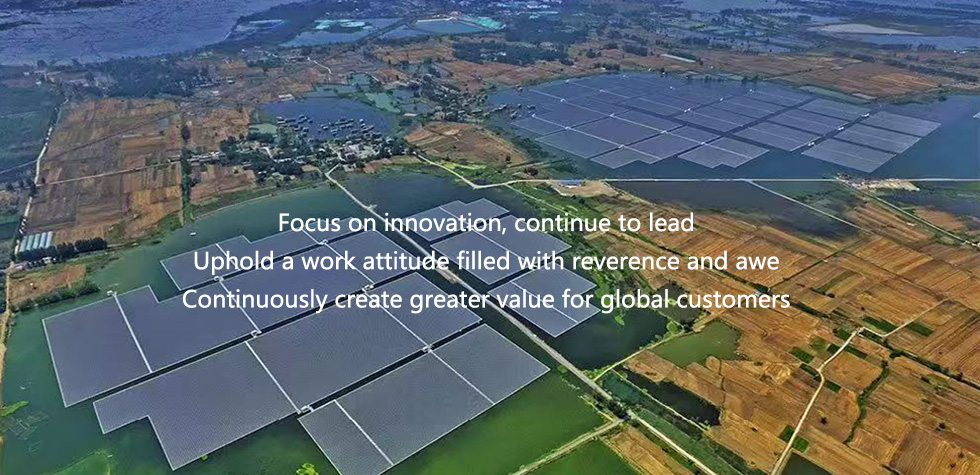
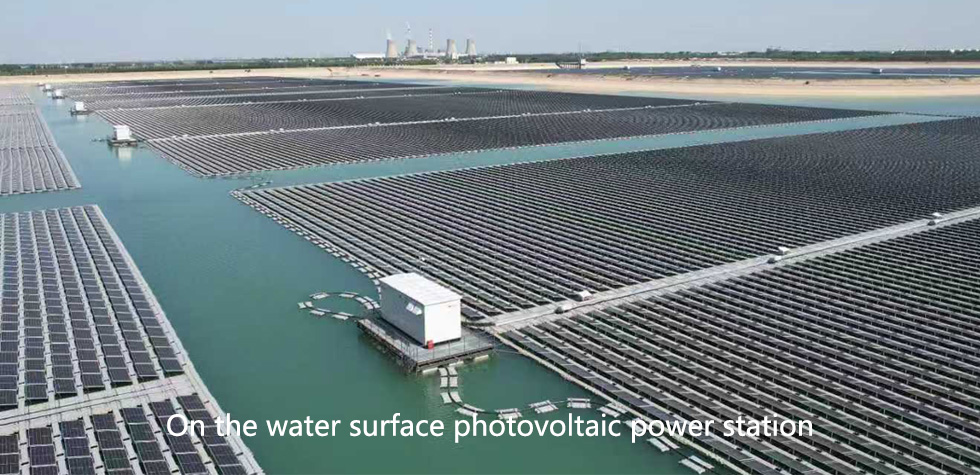
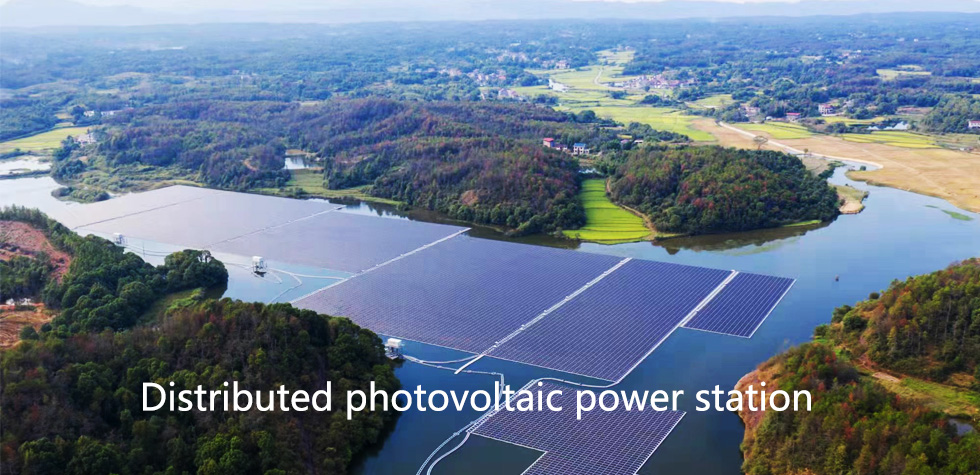
Focusing on shallow sea areas of the Bohai Rim and Yellow Sea Coastal, the province will accelerate the development and construction of pile-fixed offshore PV projects by adopting models such as fish-solar complementarity and multi-energy complementarity.
2022: Prioritize launching projects in Dongying, Yantai, Weihai, Qingdao and other sea areas; start construction of over 3 GW and complete grid connection of about 1.5 GW.
By 2025: Accumulatively start construction of about 13 GW and complete grid connection of about 11 GW.
2022: Launch demonstration of floating offshore PV.
By 2025: Strive to start construction of 2 GW and complete grid connection of about 1 GW.
Full Text
To implement the decisions and arrangements of the Party Central Committee and the State Council on the reform of the natural resource asset property rights system and the market-oriented allocation of factors, explore the three-dimensional comprehensive development and utilization of sea areas, support the development of the offshore photovoltaic power generation industry, and help achieve carbon peaking and carbon neutrality goals, the requirements for promoting the three-dimensional use of sea areas for pile-fixed offshore photovoltaic power generation projects are hereby specified as follows:
1. Standardize Site Selection for Sea Use
Pile-fixed offshore photovoltaic power generation projects are encouraged to carry out three-dimensional comprehensive development and utilization with enclosed mariculture, salt fields, power plant warm water discharge areas, wind farms and other industries.Site selection shall comply with the zoning and use control requirements specified in the territorial spatial planning. Construction is strictly prohibited in ecological protection red line zones, important marine ecosystem distribution areas such as oyster reefs and seagrass beds, and sea areas explicitly prohibited by laws, regulations and planning.Prior to the approval of the territorial spatial planning, the legally approved marine functional zoning shall continue to apply as the planning basis for project sea use review.
2. Reasonably Define Sea Use Types and Scopes
For pile-fixed offshore photovoltaic power generation projects, the sea area use type for piles and PV arrays shall be permeable structure sea use, with the scope defined as a 10-meter extension outward from the vertical projection of the outermost PV panels.Where the outer edge of the vertical projection of the PV array is less than 10 meters away from the nearest dyke of enclosed mariculture or salt fields, the boundary shall be the inner toe line of the dyke.For submarine cables in the project, the sea area use type shall be submarine cable and pipeline sea use, with the scope defined as a 10-meter extension to both sides from the outer edge of the submarine cables.
In principle, PV arrays shall be arranged centrally with integrated right confirmation. Decentralized confirmation by individual sea lots based on single arrays or panels is not allowed.Only when the project has to arrange PV arrays in separate zones to avoid navigation channels, tidal passages or other sea use projects may separate right confirmation be conducted according to the actual distribution.
3. Strengthen Sea Area Use Demonstration
For offshore photovoltaic projects implementing three-dimensional comprehensive development and utilization, the sea area use demonstration shall fully verify the planning compliance of sea use activities based on the basic and compatible sea functions specified in the territorial spatial planning.Based on current technical guidelines, additional demonstration shall be made on the necessity and feasibility of three-dimensional comprehensive development and utilization, the coordination consistency with stakeholders, and the rationality of sea use types, areas, service terms, operation arrangements of other sea use projects in the same space.
4. Strictly Approve Sea Use
For sea areas without established sea area use rights, where offshore photovoltaic projects and other sea use projects conduct three-dimensional comprehensive development and utilization, all types of projects shall be uniformly designed and comprehensively demonstrated, and submitted to the people's government at the same level for approval in accordance with the high-level priority principle.Where different projects belong to different sea use entities, both parties shall reach consensus on ownership relations, service terms, production and construction, renewal of sea area use rights, interest compensation and other matters, and attach coordination opinions to the sea use application.
For sea areas with established sea area use rights, the offshore photovoltaic project entity shall fully consult and reach agreement with the original sea area right holder, and attach coordination opinions to the application.Where the approval level of the newly applied sea use differs from that of the already confirmed sea use, the opinions of the original approval department shall be sought.During the construction and operation of offshore photovoltaic projects, the legitimate rights and interests of the original sea area right holders shall be protected to prevent sea area ownership disputes.
5. Implement Paid Sea Area Use
Offshore photovoltaic projects and other types of projects implementing three-dimensional comprehensive development and utilization shall pay sea area use fees separately according to the actual sea use type, method, area, service term and the collection standards of the sea area where they are located.
6. Complete Real Estate Registration
Offshore photovoltaic projects and other projects implementing three-dimensional comprehensive development and utilization shall apply for real estate registration of sea area use rights in accordance with relevant real estate registration requirements. Where conditions permit, applications may be filed for the registration of sea area use rights and the ownership of their structures (buildings).The real estate registration authority shall note in the registration book and real estate ownership certificate the relevant information on the shared sea use between the offshore photovoltaic project and other projects (including the shared sea area, other sea use projects and the name of the sea user).
7. Strengthen Sea Use Supervision
Sea area use approval departments at all coastal levels shall strictly abide by the bottom line of laws and policies, and shall not arbitrarily change sea use purposes in the name of three-dimensional layered right confirmation of sea areas.Marine law enforcement agencies at all levels shall effectively strengthen supervision and inspection of sea use for offshore photovoltaic projects.Acts such as unauthorized construction of offshore photovoltaic projects by renting mariculture areas, salt fields and other sea areas, illegal occupation of sea areas without approval, or unauthorized construction of access roads, construction cofferdams, pile foundations and other sea use facilities shall be severely investigated and punished in accordance with laws and regulations.
This Notice shall come into force on the date of issuance with a one-year trial period.If relevant national or provincial policies and regulations provide otherwise, such provisions shall prevail.
Source: Shandong Provincial Department of Ocean Affairs